

MERC Guide for Passenger Vessels
Recommendation Finder
We want to… / Secure our energy supply
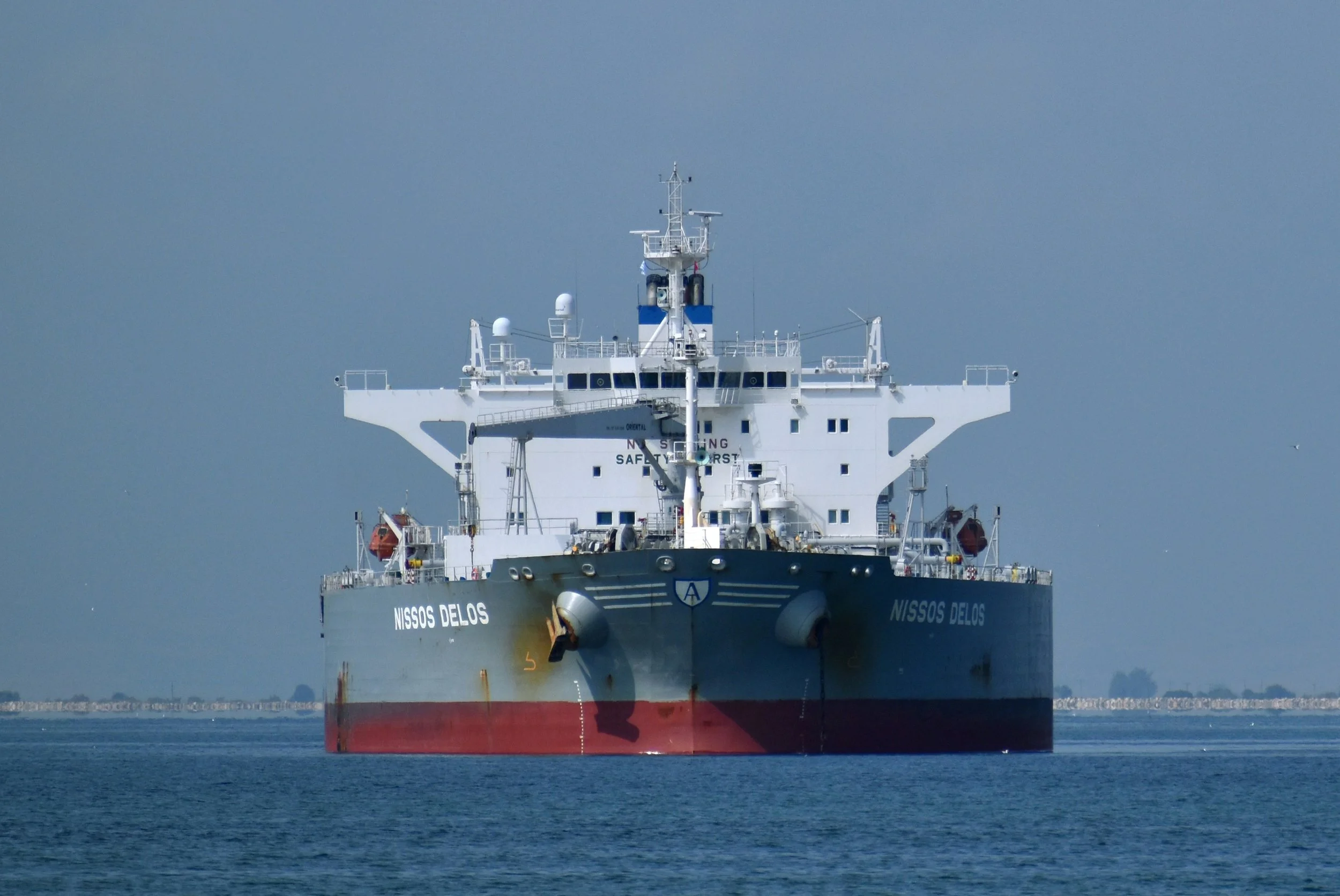
Securing your energy supply requires you to define what sort of risk you are securing against. At the simplest it can mean forward-buying energy and securing prices over the short-term. This can protect against sudden shifts in prices due to a short-term crisis, and give you financial stability.
More fundamental shifts, such as the 2026 blocking of the Straits of Hormuz, can be harder to secure against using contracts. In this case you want to look into your energy supply chains and ask where there are risks, or reorganisation of supply chains, that cannot be easily undone.
If you can generate the energy you use, then you can remove any external influences (although internal risks will still apply). This is not an easy thing when it comes to petrol or diesel fuel, but is much easier if you switch to relying on electricity. Some may be able to switch to biofuels, and locally source feedstocks to create their own.
Efficiency measures can help reduce your risk by minimising your demand for energy. Depending on your business this may have a significant impact, or be irrelevant. If you can shift demand to times when external supply is higher (for example using more electricity when the sun is shining or wind is blowing) then that can be an effective way to mitigate against higher prices when supply is low.
Electrifying your business is one step that can help shift your energy risks, and enable easier options for local generation and storage of energy. The capital expenditure can be shifted using leasing and loan arrangements, and is likely to offer much greater flexibility in securing energy going forward.
Maintaining backup energy storage locally, or at least under your control, is another way to reduce the risk of supply interruption. This might be a local fuel storage tank, for use in vehicles or backup generators, or battery storage that provides uninterruptible power supply in case of problems accessing grid electricity. Maintaining these can be a significant investment, and may also create their own risks and regulatory costs.
What actions do you want to explore?
Things to consider if you mainly do…
-
Ferry businesses usually have fuel consumption as one of their largest expenses, and it is almost always also their largest source of GHG emissions.
This makes measures that directly address fuel use, such as efficiency, well worth prioritising.
If tackling efficiency, then getting an emissions baseline is also worth doing, and having it not just be for a time period but understand what the numbers typically are per passenger per nautical mile, and per route.
-
Marine Tourism businesses come in many different flavours. Emissions savings might come from your vessels, or from shoreside assets like buses and buildings. Efficiency is worth considering, but so is electrifying whatever you can as that usually allows you to source cleaner, less emissions intensive energy.
-
For boat builders the main take away is that energy security is yet another reason to explore electrification and super-efficient vessel designs.
When vessel owners start to explore what they can actually control with energy security, electrification becomes an obvious solution. The future of boat building will inevitably involve greater use of batteries and electric propulsion - so the sooner you start exploring new supplier relationships, the easier it will be to give customers good answers about what electrification can do.